

Conditions
Move Forward Without Letting Hip Pain Hold You Back
Hip pain can affect walking, running, sitting, sleeping, climbing stairs, and even the simple act of putting on your shoes.
At Ability Chiropractic, we believe your body is capable of more.
Our job isn’t simply to help you feel less uncomfortable; it’s to help you understand what your body may be communicating, improve healthy function, and move toward the life you want to live.
Because a symptom may have brought you here. But it’s never where we want your story to end.
Schedule Your First VisitThe bigger picture
Your Body Is Trying to Tell You Something
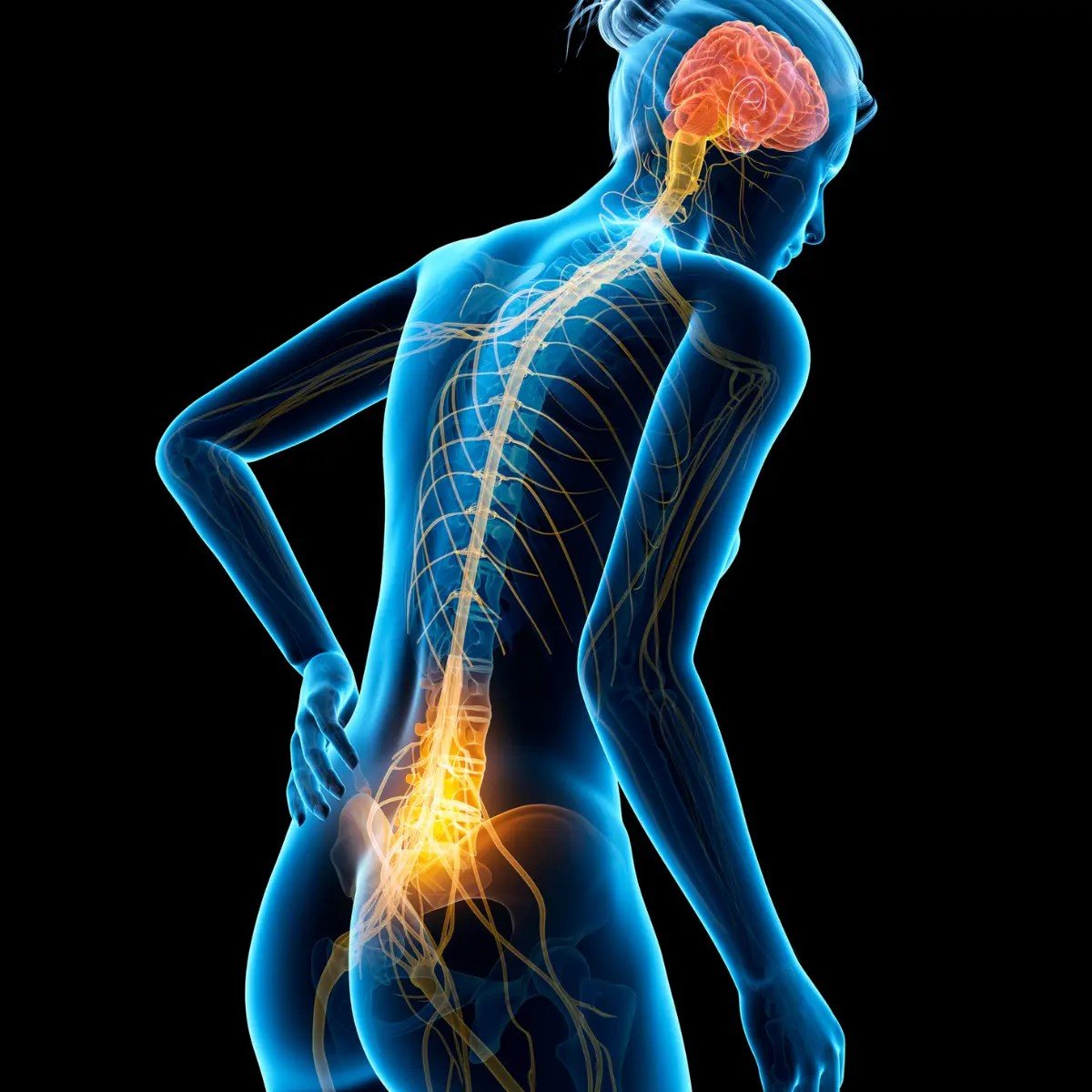
Hip pain is information. The hip, pelvis, low back, muscles, and nerves share the work of movement, so understanding how they function together matters.
Too often, people are taught to manage a symptom without asking what may be contributing to it. Temporary relief can be valuable, but it does not always answer the most important question: why is your body responding this way?
At Ability Chiropractic, lasting health begins with understanding. We look beyond the symptom to consider movement, nervous system function, daily demands, recovery, and the way your body works as a whole.
Understanding Hip Pain

Hip-area symptoms may come from the joint itself or from surrounding muscles, tendons, bursae, the pelvis, or the low back. Location, onset, and the movements that affect pain help guide evaluation.
Common contributors may include:
- Repetitive loading
- Sports or running strain
- Joint mobility changes
- Muscle imbalance
- Prolonged sitting
- Falls or direct impact
- Low-back or pelvic dysfunction
- Age-related changes
Hip Pain can also look different from one person to the next. Common experiences may include:
- Groin, outer-hip, or buttock pain
- Stiffness after sitting
- Pain with walking or stairs
- Discomfort lying on one side
- Reduced range of motion
- Clicking or catching
- Pain that travels from the low back
Whatever your experience, persistent, worsening, or unexplained symptoms deserve to be understood, not dismissed or ignored.
How we approach it
How Ability Chiropractic Approaches Hip Pain
Every patient has a different story. That’s why every evaluation begins with listening.
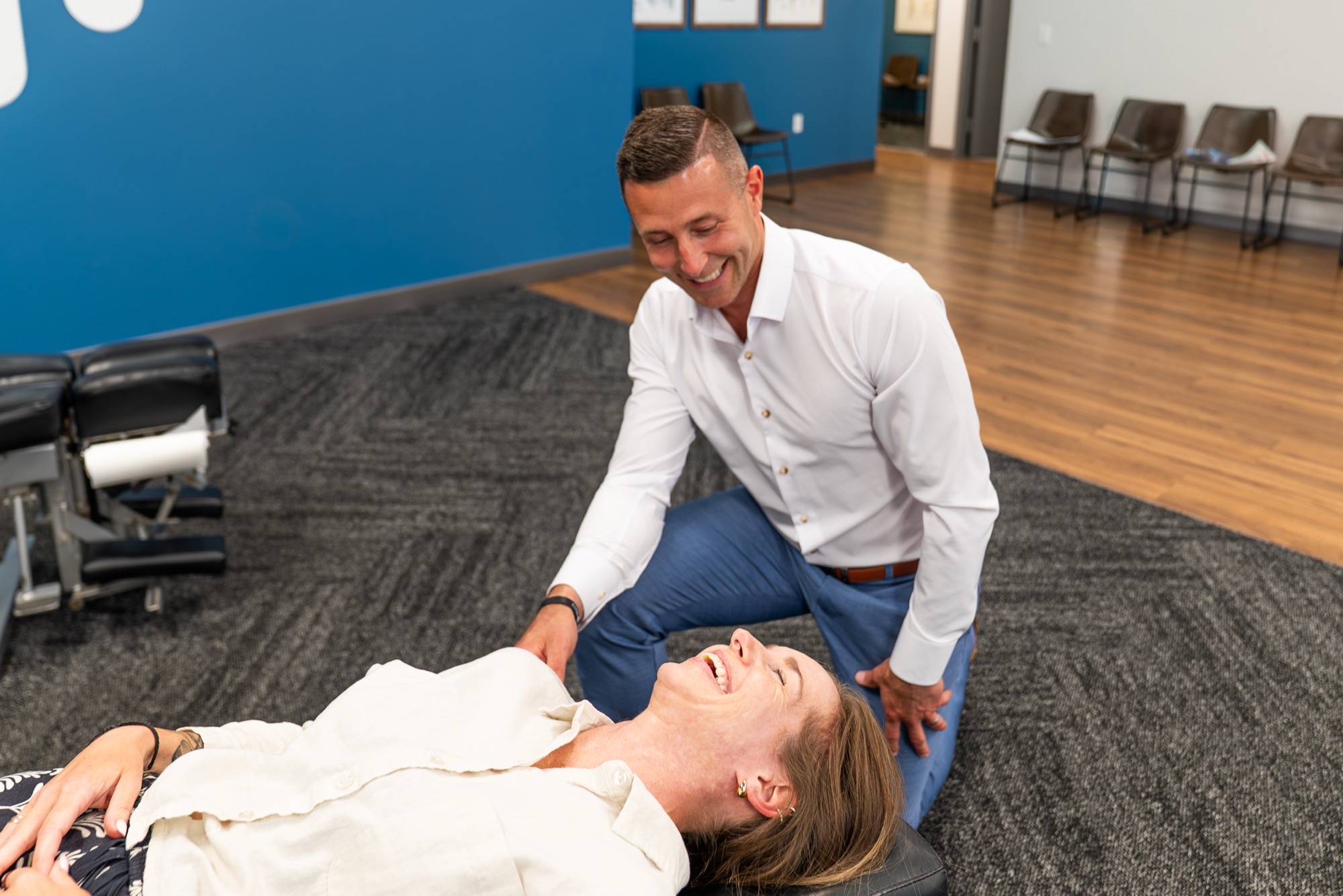
Before making recommendations, we take time to understand your health history, your goals, your daily activities, and how this concern is affecting your life.
Your examination may include an evaluation of:
- Hip and pelvic mobility
- Low-back function
- Walking and squat patterns
- Strength and muscle balance
- Neurological signs
- Daily and athletic demands
- Positions that change symptoms
Instead of focusing only on where the symptom exists, we look at how your body is functioning as a whole. If your presentation suggests that imaging, medical evaluation, or another type of care is needed, we’ll explain that clearly.
Once we understand the complete picture, we’ll recommend a personalized plan designed to improve function, build capacity, and support long-term health, not simply chase temporary relief.
What to Expect During Your First Visit

Your first appointment is designed to give you answers.
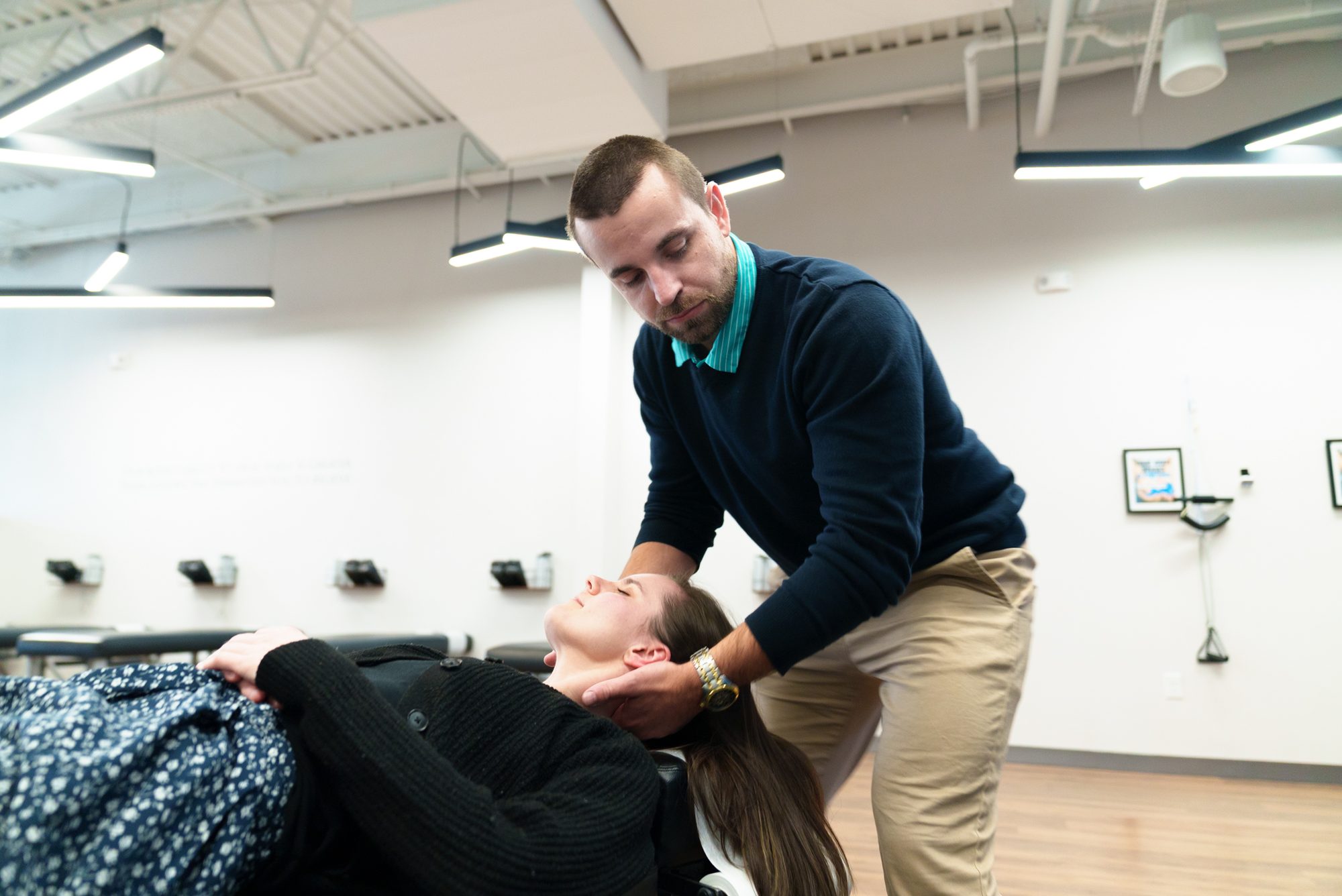
We’ll begin by getting to know you and discussing your health history, current symptoms, concerns, and personal goals. Your doctor will then perform a comprehensive evaluation appropriate to your presentation.
After reviewing our findings, we’ll explain:
- What we discovered
- What may be contributing to your symptoms
- Whether chiropractic care is appropriate
- Any need for imaging, referral, or coordinated care
- Your personalized recommendations
- What you can expect moving forward
We believe you deserve to understand your body, not simply receive treatment.
That’s why education is part of every visit at Ability Chiropractic.
Is it right for you
Is Chiropractic Care Right for Hip Pain?
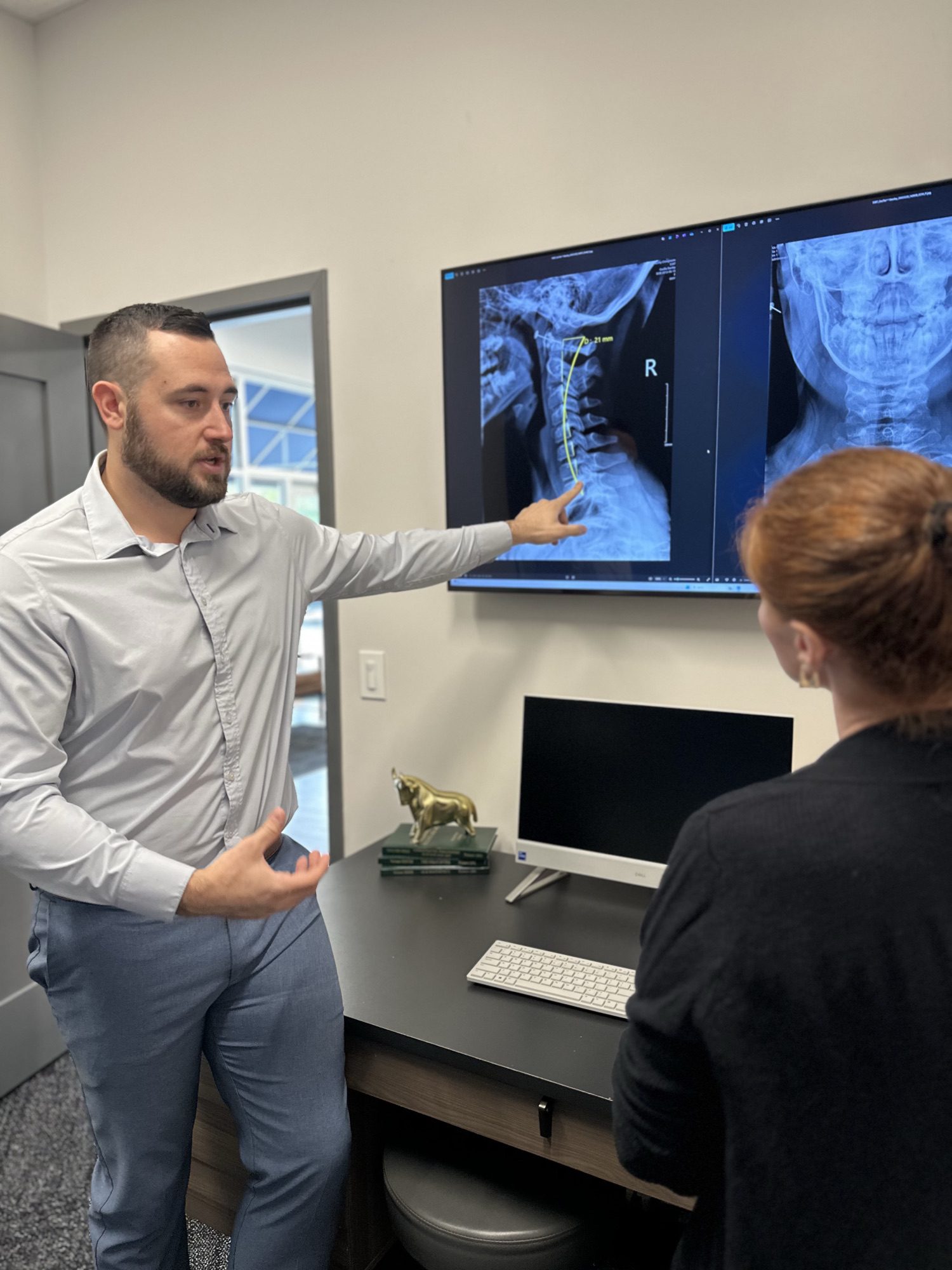
Chiropractic care may be appropriate for some people experiencing:
- Mechanical hip discomfort
- Hip stiffness
- Movement-related pain
- Low-back or pelvic contributions
- Recovery after a minor strain
Not every symptom is appropriate for chiropractic care, and no single approach is right for everyone. If you’re unsure, our team can help evaluate your situation, explain your options, and recommend the most appropriate next step.
FAQs
Frequently Asked Questions
Either is possible, and symptoms sometimes overlap. Examining the hip, pelvis, low back, movement, and neurological function helps clarify the likely source.
Chiropractic care cannot reverse arthritis, but some patients may benefit from care aimed at mobility, comfort, and function. Recommendations depend on severity and overall health.
Not always. Temporary changes in distance, speed, terrain, or frequency may be useful while the cause is evaluated.
Imaging may be appropriate after significant trauma, with severe loss of function, or when examination suggests it would change care.
When appropriate, your plan may include simple movements to support hip and surrounding joint function.
Take the First Step Toward Better Function
You don’t have to let hip pain define what your body is capable of.
Whether your symptoms started recently or have been affecting you for years, our team is here to listen, help you understand the bigger picture, and build a plan around your health and goals.
Schedule your first appointment today and discover what may be possible when your body is supported to function at its best.