
Let’s Talk About
S T R E S S
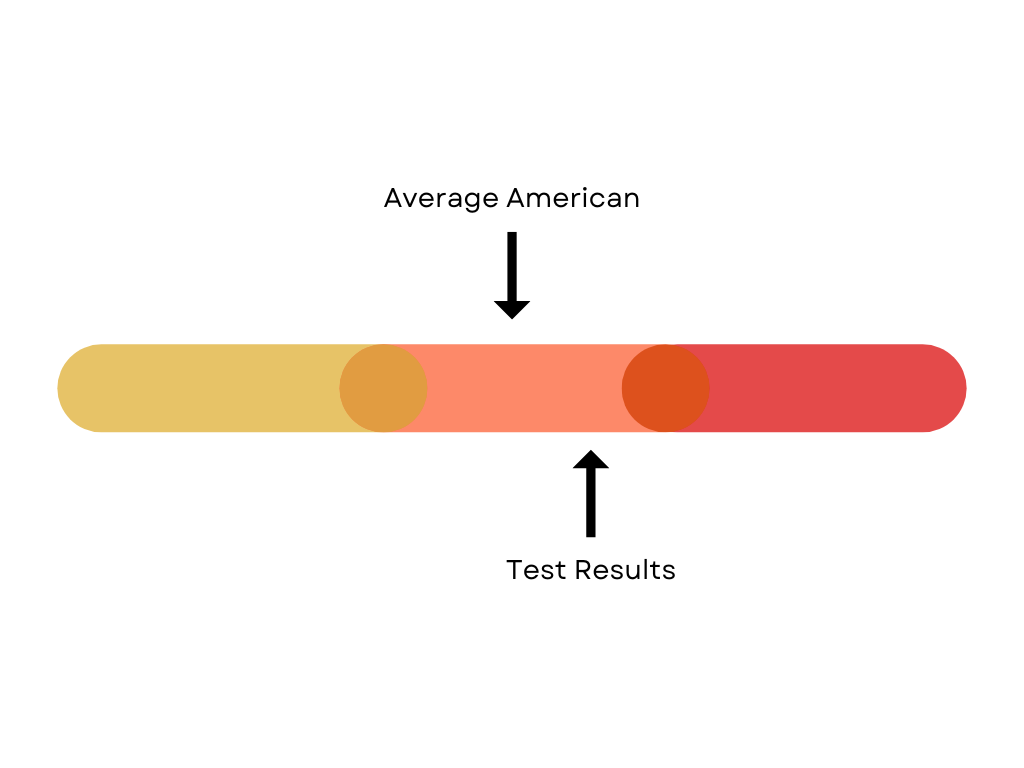
HOW STRESSED ARE YOU?
How Does Chiropractic Help Combat Stress?
Chiropractic adjustments are crucial in supporting the nervous system's ability to regulate stress effectively. The spine houses the spinal cord, which is a vital component of the central nervous system. Subluxations in the spine interfere with the proper functioning of the nervous system, leading to increased stress and tension in the body. By performing chiropractic adjustments, chiropractors alleviate pressure on the nerves, and restore proper communication between the brain and the rest of the body. This improved communication enables the nervous system to better adapt to stressors, reducing overall stress levels and promoting a greater sense of well-being. Additionally, chiropractic care can help release muscle tension, improve circulation, and enhance the body's natural ability to heal, further supporting its ability to manage stress effectively.
What Is
Stress?
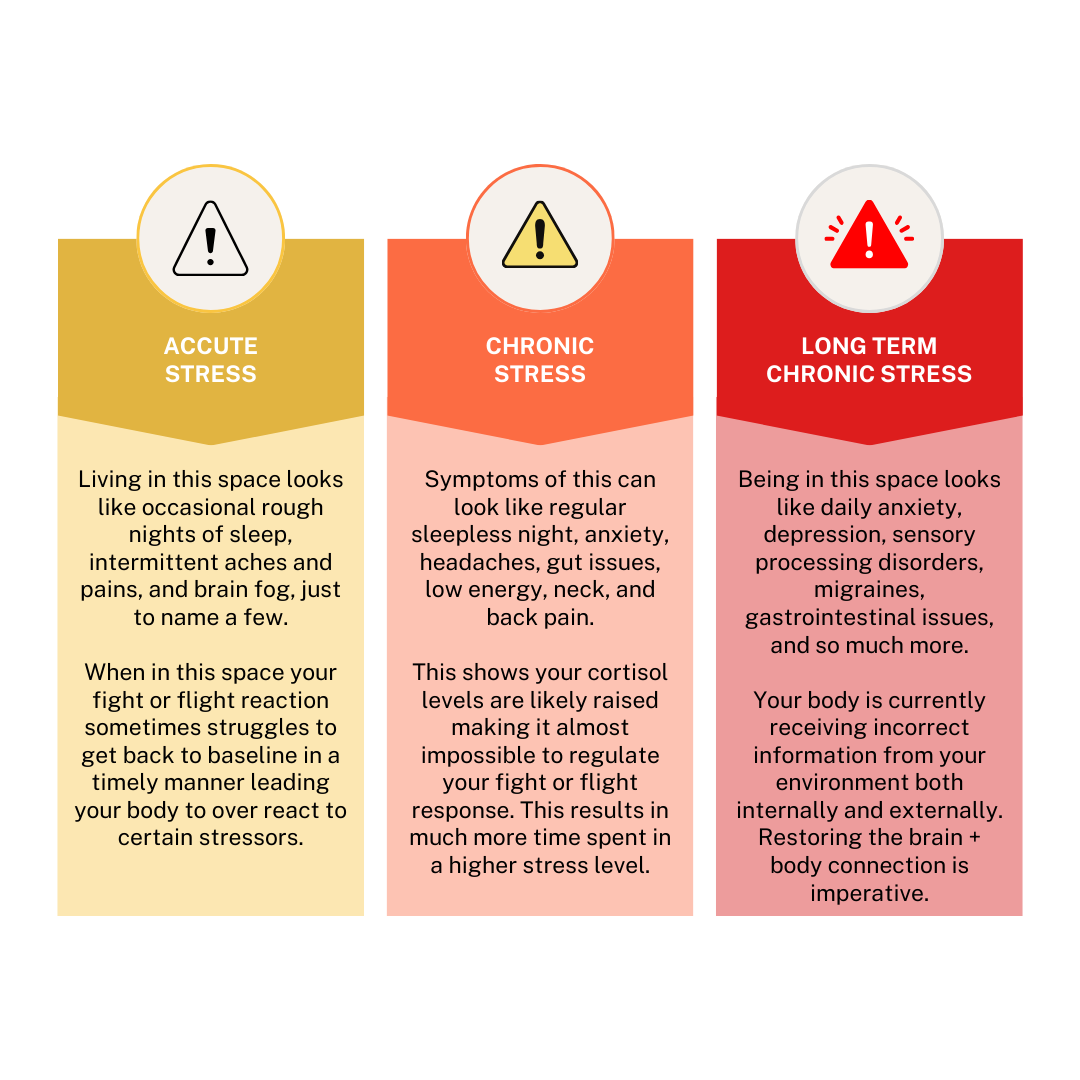
Stress is a natural physiological response to challenging or threatening situations, triggering a cascade of hormonal and neurological reactions within the body. When faced with stressors, the brain releases hormones such as cortisol and adrenaline, preparing the body for a "fight or flight" response. While this response is essential for survival, prolonged or chronic stress can have detrimental effects on both physical and mental health. It can lead to increased heart rate, elevated blood pressure, weakened immune function, digestive issues, muscle tension, and even changes in brain structure and function. Chronic stress is linked to a higher risk of developing various health problems, including cardiovascular diseases, anxiety disorders, depression, and compromised cognitive abilities.
Thoughts
Traumas
Toxins
Stressors can manifest in various forms, affecting individuals both mentally and physically - we refer to these as the 3 T’s. The first offender is our thoughts. Cognitive stressors encompass negative thought patterns, self-doubt, and excessive worrying, which can overwhelm the mind and contribute to chronic stress. Secondly, traumas, whether emotional, physical, or psychological, can deeply impact an individual's well-being, leaving lasting scars that affect their ability to cope with stressors in the future. Traumatic events such as accidents, abuse, or loss can trigger intense stress responses, leading to a range of physical and psychological symptoms. Lastly, toxins, including environmental pollutants, harmful substances, and even certain dietary choices, can act as stressors on the body's systems. Exposure to toxins can disrupt hormonal balance, impair organ function, and weaken the immune system, exacerbating the body's response to stress.