
Why Would a Kid Need a Chiropractor?
Written by: Dr. Brien Hartings, DC
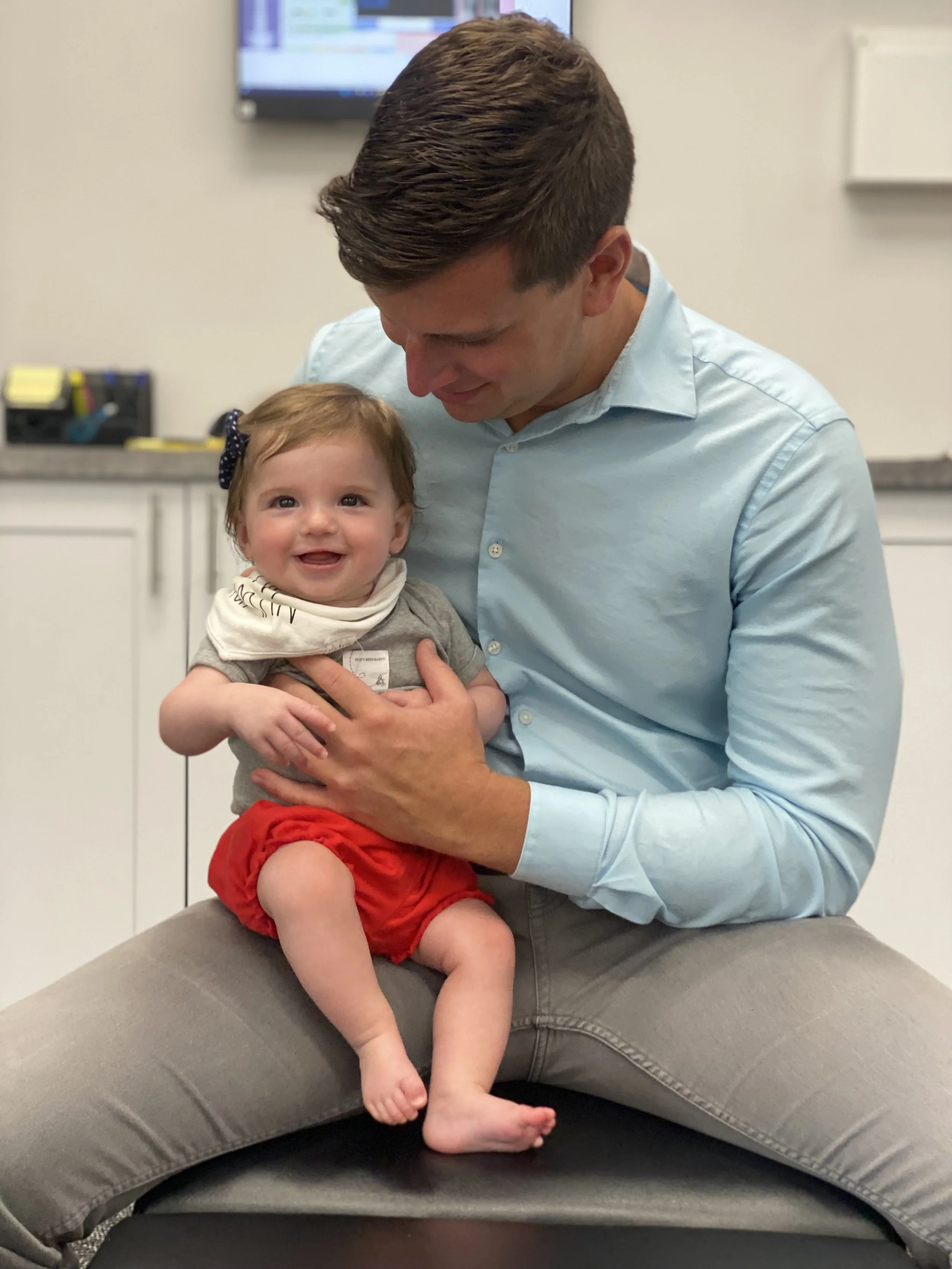
I didn’t fully understand the impact chiropractic care could have on a child until I watched it change one.
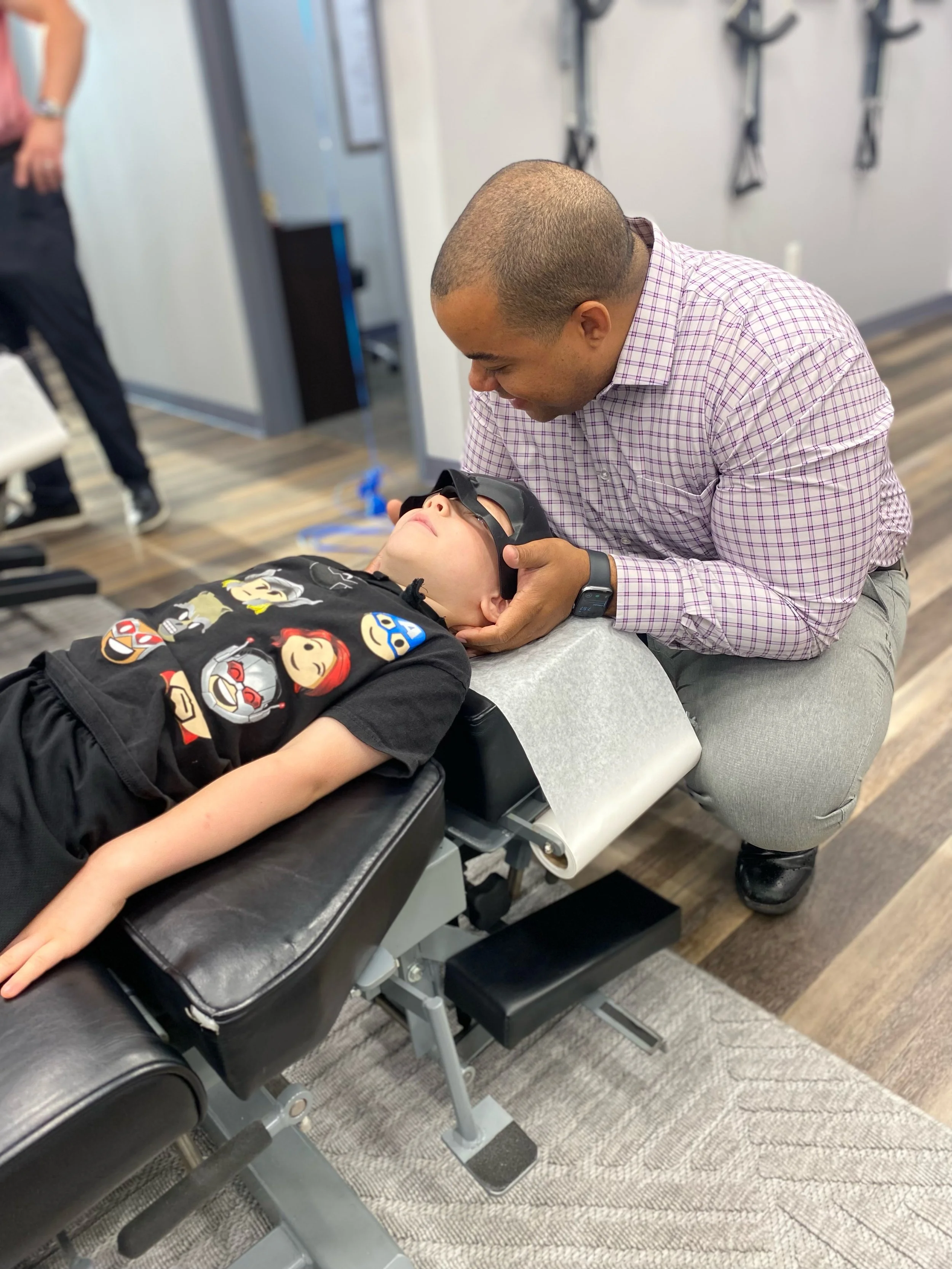
There was a young boy who came into our office after his parents had already been under care for some time. He was brilliant, energetic, and completely overwhelmed by his own body. He ran everywhere. He screamed. He couldn’t settle. Sleep was a battle. His parents were exhausted and stuck— not because they weren’t great parents, but because they were doing everything they knew how to do.
When we first talked about getting him adjusted, there was hesitation. Understandable hesitation. He wasn’t “sick.” He wasn’t “injured”. He didn’t have a diagnosis that explained everything.
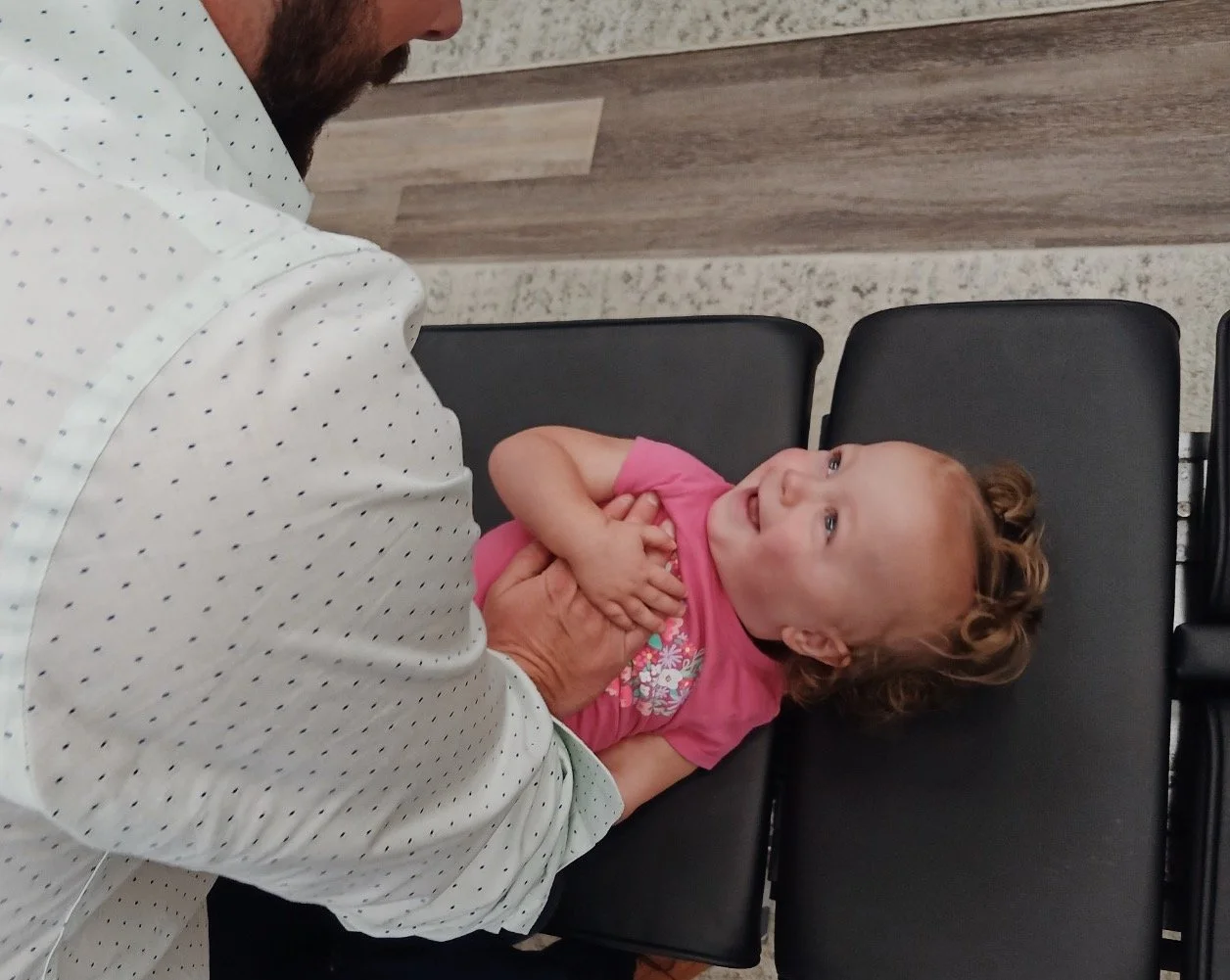
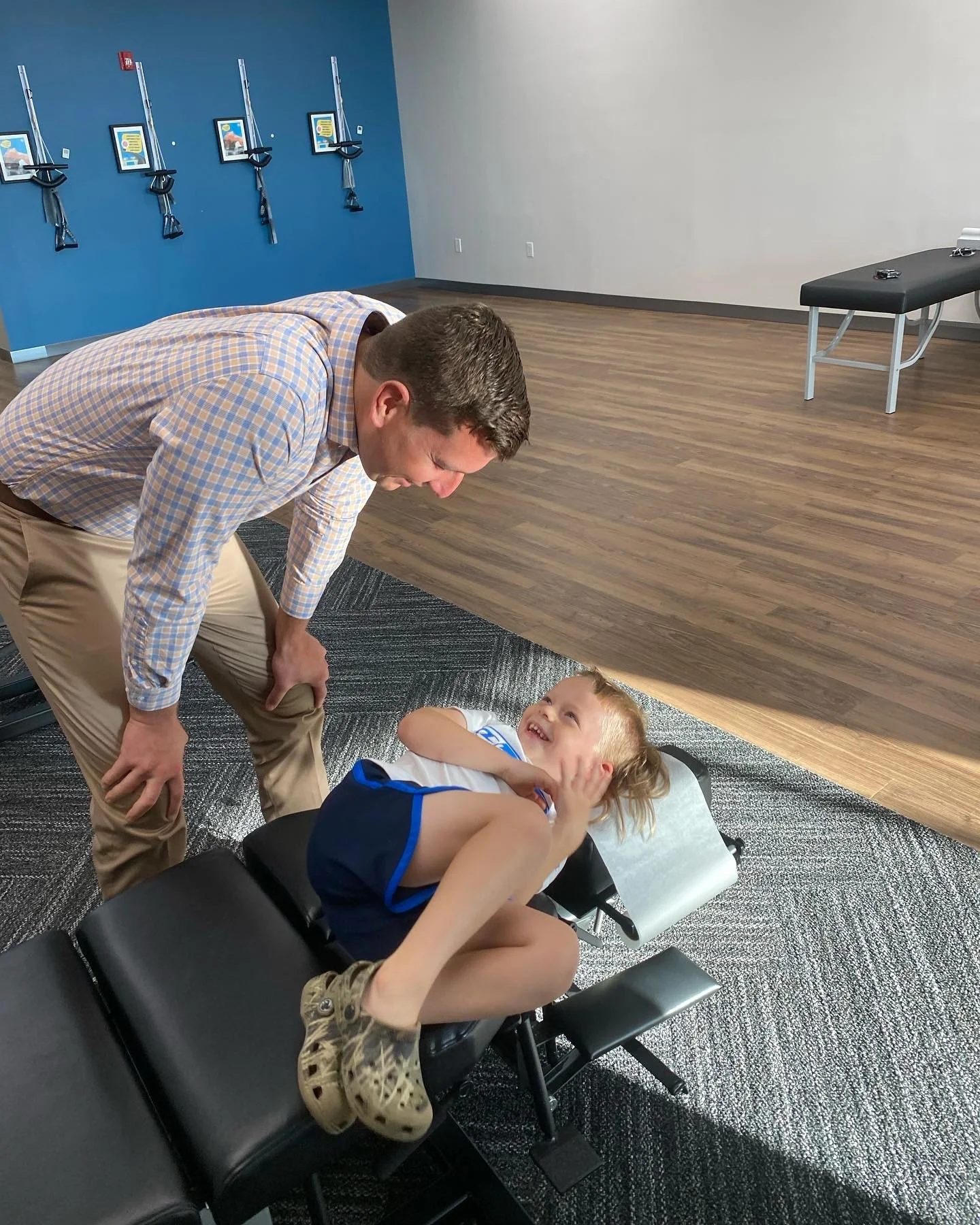
But they chose to trust me, and we start getting him adjusted.
Week by week, something began to change.
He didn’t stop being himself. He didn’t lose his spark.
He gained control.
He walked into the office calmer. He slept more soundly. He connected more easily with his parents. Instead of fighting his body, his nervous system began working with him. And what struck me most wasn’t just how his behavior shifted — it was how his entire family dynamic softened and strengthened at the same time.
That experience changed how I talk to parents forever.
The question I hear all the time
“Why would a kid need a chiropractor?”
Usually this question comes from protective instincts. From parents who are doing their best to make thoughtful, informed decisions for their children. Often it’s followed by: “They don’t have any symptoms.” “They seem healthy.” “Nothing is wrong.”
And that’s exactly the point.
As adults, we often trace our current state of health back to a sports injury from high school. A car accident years ago. A job stress that never let up. A diagnosis that “runs in the family.” And yet, most of the adult patients I care for don’t meet me until they’re fed up — until years of stress, injuries, and medications have piled up and we’re forced to work backward.
Why is it so normal to wait to care for our spine until after we’ve lived years in deficiency?
As a chiropractor, I pay close attention to the spine to understand and drive each patient’s health because its structure and movement are what protect, determine, and facilitate the function of the nervous system — the system that coordinates every function in the body.
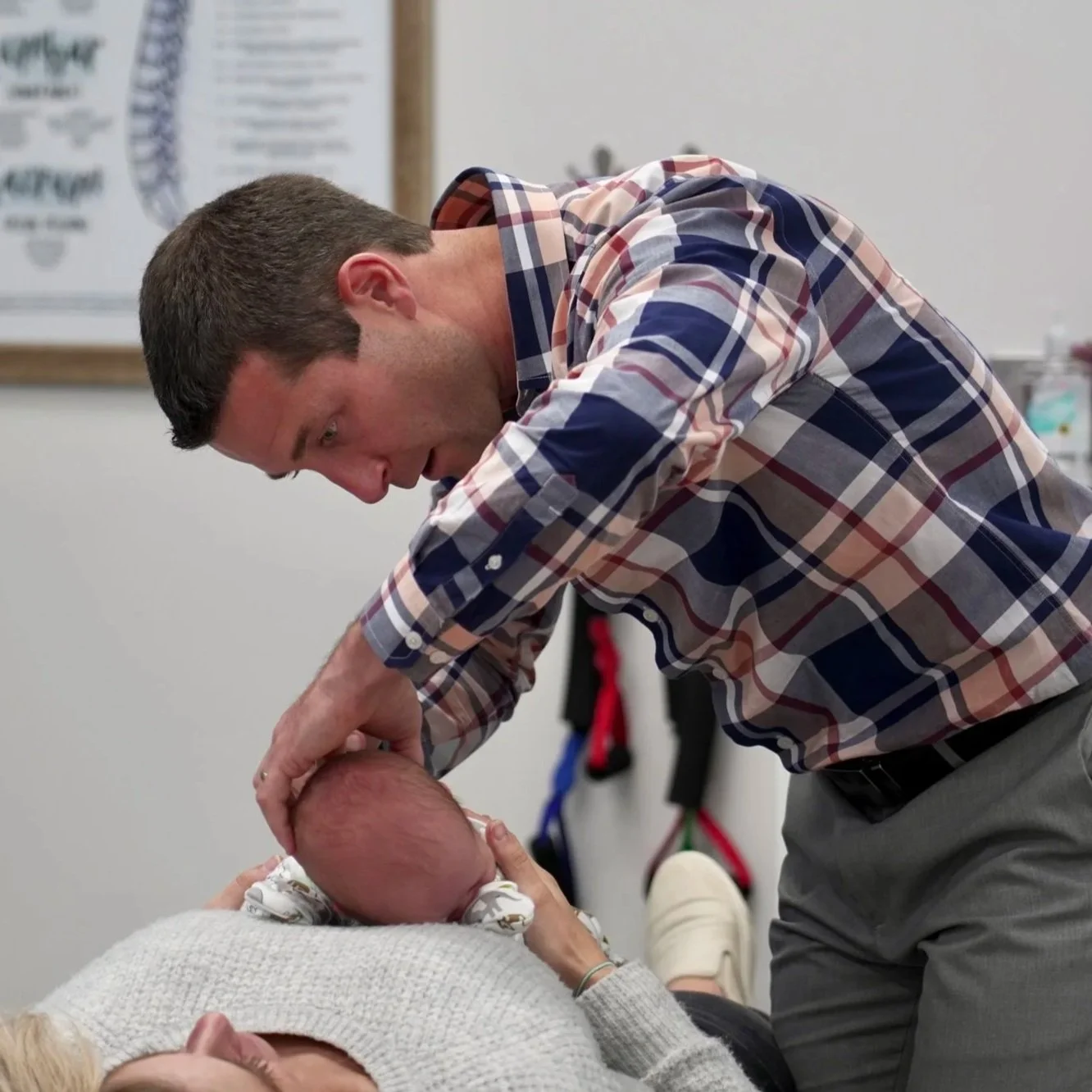
Whether someone is three days old, twenty years old, or seventy, the goal of an adjustment is the same: to improve the quality of communication between the brain and body through spinal movement.
The difference is when that support begins and how much suffering we endure before we are forced into it.
Health isn’t defined by the absence of symptoms
One of the most important things I can share with parents is this:
You can’t miss what you’ve never experienced.
Most children don’t know what it feels like to have optimal regulation, adaptability, and connection in their nervous system — because they’ve only ever lived in the body they have today. Just like many adults don’t realize how much better life could feel until they experience chiropractic care themselves, kids often don’t have a reference point for what’s possible.
Chiropractic care for kids isn’t about fixing something that’s broken.
Kids aren’t broken.
They are fully equipped with everything they need.
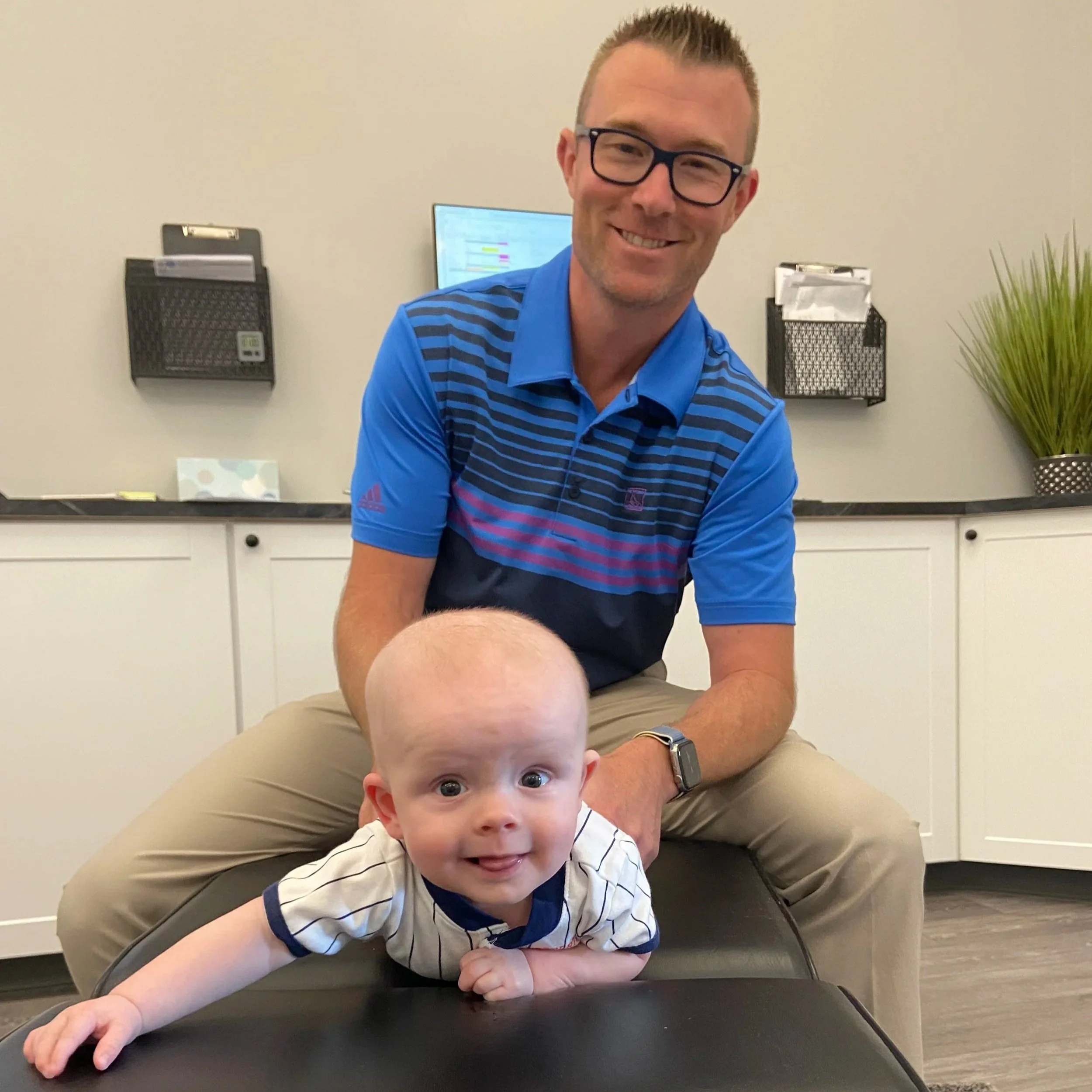
Our role is to support the development of their nervous system — the system that controls how they sleep, adapt, regulate emotions, digest food, focus, recover, and grow.
This isn’t about fear. It’s about potential.
I want to be very clear:
This isn’t about scaring parents. This isn’t about finding problems. This isn’t about assuming something is wrong. It’s about recognizing that your child’s potential is directly tied to how well their nervous system can adapt, regulate, and respond to life. I hear adults say all the time: “I wish I had started sooner.”
As a parent, that’s a powerful thought.
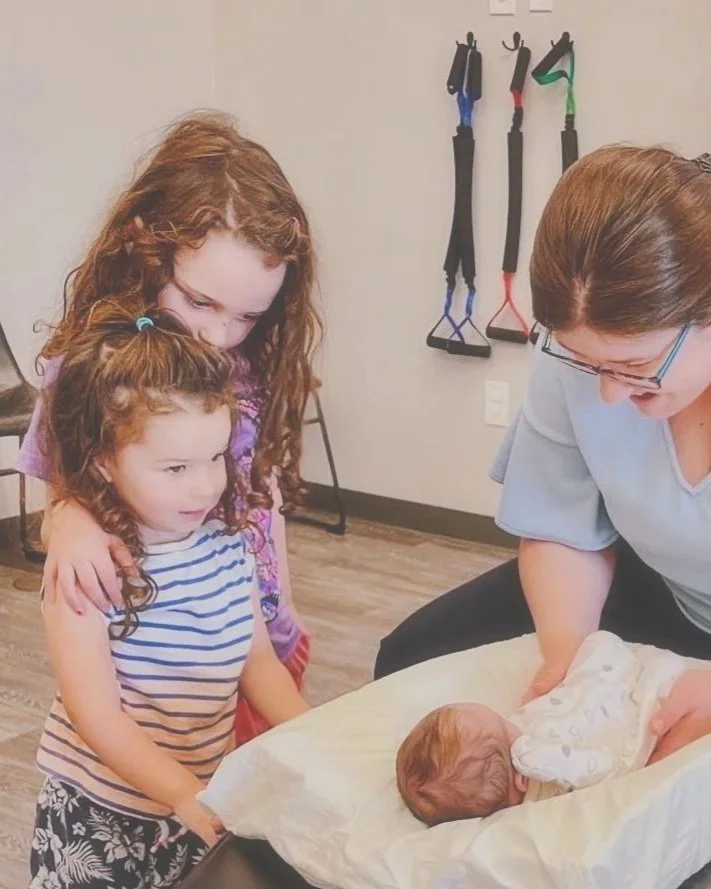
Building generational health
An Invitation
If you’ve ever wondered whether chiropractic care could support your child — even if they seem healthy — I invite you into a conversation. Not a commitment. Not a diagnosis. Just a conversation about development, connection, and what’s possible when the nervous system is supported from the start.
Because sometimes the most important thing we can give our kids isn’t something they’re missing — It’s the chance to fully express everything they already have.
If you’re curious, let’s talk about building generational health for your family.