
“I Can’t Get Adjusted Because…” Read This Before You Believe It.
The Scariest Myths We Hear Every Day
“I can’t get adjusted because of my herniated disc.”
“I can’t get adjusted because I had a fusion.”
“I can’t get adjusted because I have scoliosis.”
Lies and assumptions that stop people from pursuing the care their body desperately needs.
The truth is, the scariest skeletons aren’t in the ones we think of on Halloween… they’re the ones carrying around bolts, screws, arthritis, scoliosis, degeneration… and even scarier, the belief that they can’t be helped.

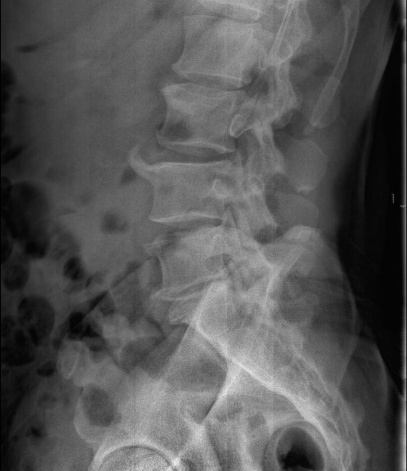
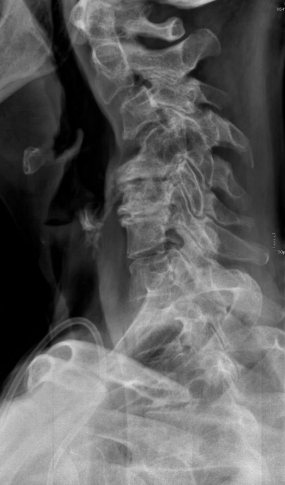
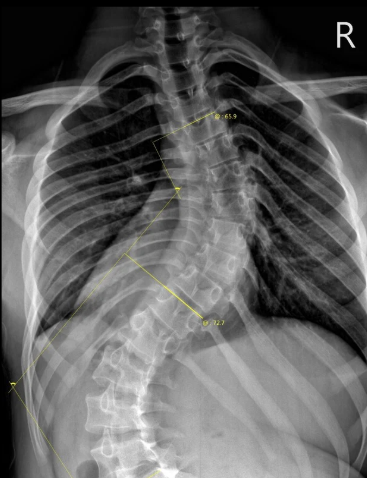
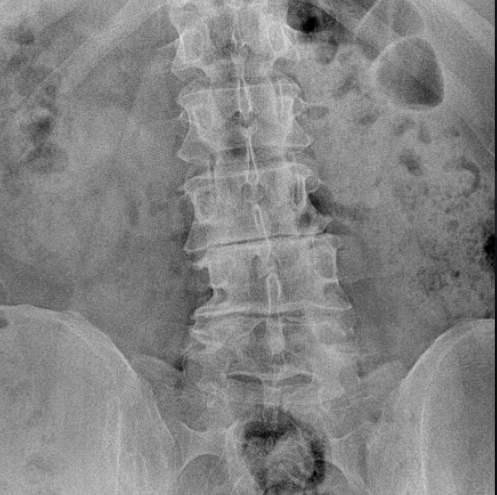

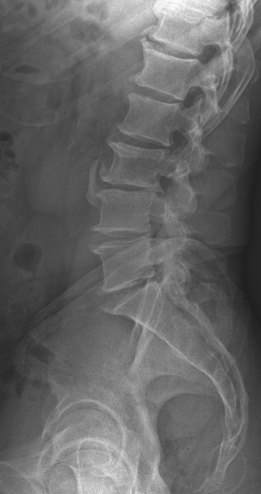
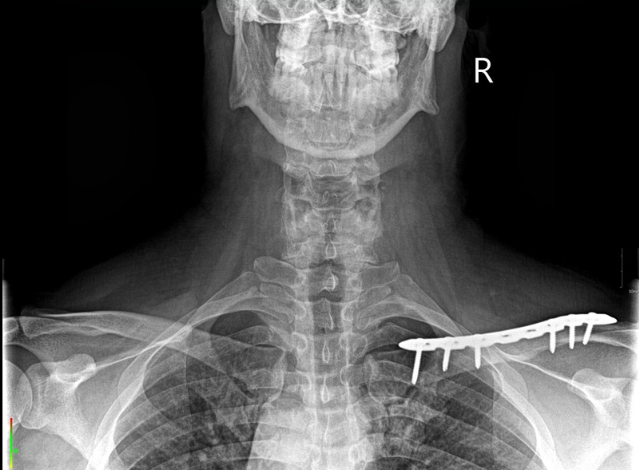
The X-Rays That Scare You Are the Ones That Need Care the Most
Those are real x-rays of our patients. At Ability Chiropractic, we regularly care for spines with:
Herniated or bulging discs
Mild to severe scoliosis
Spinal fusions or hardware
Kids, teens, and pregnant women (rapidly changing spines)
Osteoporosis and arthritis
Previous or planned surgeries
These aren’t rare exceptions. They’re the norm. These are the spines that walk into our offices every single day — and they get adjusted safely, effectively, and with life-changing results.
So Why Do So Many People Believe They Can’t Get Adjusted?
Misinformation — If you think chiropractors just “crack bones” and you’ve got screws in your spine, of course you’d think it’s not for you. Movement is the language your nervous system speaks. When that language gets cut off because your spine can’t move easily, your body loses connection. An adjustment turns that connection back on. We don’t “crack”. We connect.
Fear — X-rays that look “bad” often trigger fear, but even the “scariest” x-rays can still tell a story of resilience, healing, and adaptability.
Assumptions — If you’ve had surgery, hardware, or a diagnosis like osteoporosis, it’s easy to assume (or to be told) you’re too fragile. But fragility doesn’t mean untouchable — it means you need expertise.
Lack of understanding — Providers who don’t specialize in the spine often don’t understand what a skilled chiropractor can do. It’s not their field, so they don’t see the full picture.
Not every spine is the same, and we don’t treat them that way.
That’s why we do full exams and take x-rays before anyone is adjusted. We know everything about your spine and your needs before care begins. We modify when needed, adjust above and below fusion sites or hardware, and tailor every single adjustment to the person on the table. That’s the difference between a generic approach and expert care.
The Safest Adjustment You’ll Ever Make Is Choosing One
Here’s a stat you’ve never heard before: you are more likely to be hospitalized from taking an over-the-counter pain pill than from getting adjusted 【Ernst, 2017】. The truth is, chiropractic adjustments are (overwhelmingly) safer than everyday choices people make for relief, and far more effective.
Disc injuries heal with motion. 90% of herniated discs improve with conservative care like chiropractic, avoiding surgery altogether 【Weber, 1983】. Translation: most people told they “need surgery” don’t — if they choose movement first.
Chiropractic consistently outperforms standard medical care. Systematic reviews show adjustments restore mobility and reduce chronic pain better than medication, physical therapy, or “usual care” 【Paige, 2017; Bronfort, 2010】. The difference? Chiropractic addresses the cause — the nervous system — not just the symptoms.
Patients recover faster and avoid repeat problems. Restoring joint motion and nervous system feedback doesn’t just reduce pain, it prevents breakdown of the joints and discs around it. That means fewer relapses and surgeries, less degeneration, and more long-term health.
Patients feel it in their lives, not just their spines. Beyond pain relief, research links chiropractic to improved function, better sleep, reduced headaches, increased energy, and even improved athletic performance 【Pickar, 2002】.
The bottom line? Chiropractic isn’t risky. Doing nothing is.
Pills wear off. Surgeries can fail. But restoring motion and reconnecting your nervous system gives your body the chance to heal — safely, naturally, and effectively. Leaving the spine locked up accelerates degeneration, weakens discs, and shuts down communication with the brain. That’s the silent danger.
Your Spine Doesn’t Need Perfection. It Needs Motion.
The tragedy isn’t what shows up on film — it’s when people suffer because they were told not to seek care. Most of these spines don’t scream in pain. Instead, they show up as “unexplained” health issues: brain fog, chronic fatigue, weakened immunity, organ dysfunction, recurring illness. Spine health is a reflection of nervous system function. Structure determines function. And function determines everything.
Even the scariest x-ray shows a spine still capable of healing. No one is too far gone. Movement, feedback, and connection to the brain are always possible — and always worth protecting.
Your spine still needs movement.
Your nervous system still needs input.
Your body is still capable of healing.
These “spooky, scary skeletons” don’t need fear. They need freedom. And chiropractic care gives it to them.
If you’ve ever thought or heard, “I can’t get adjusted because…” — think again. The question isn’t whether your spine can handle care. The real question is: what’s at risk if you don’t?
— Ability Chiro
References
Cassidy, J. D., Boyle, E., Côté, P., He, Y., Hogg-Johnson, S., Silver, F. L., & Bondy, S. J. (2008). Risk of vertebrobasilar stroke and chiropractic care: results of a population-based case–control and case–crossover study. Spine, 33(4S), S176-S183.
Ernst, E. (2017). Adverse effects of spinal manipulation: a systematic review. Journal of the Royal Society of Medicine, 110(7), 278-285.
Weber, H. (1983). Lumbar disc herniation: a controlled, prospective study with ten years of observation. Spine, 8(2), 131-140.
Morningstar, M. W., Woggon, D., & Lawrence, G. (2004). Scoliosis treatment using a combination of manipulative and rehabilitative therapy: a retrospective case series. BMC Musculoskeletal Disorders, 5(1), 32.
Paige, N. M., Miake-Lye, I. M., Booth, M. S., Beroes, J. M., Mardian, A. S., Dougherty, P., ... & Shekelle, P. G. (2017). Association of spinal manipulative therapy with clinical benefit and harm for acute low back pain: systematic review and meta-analysis. JAMA, 317(14), 1451–1460.
Bronfort, G., Haas, M., Evans, R. L., Leininger, B., & Triano, J. (2010). Effectiveness of manual therapies: the UK evidence report. Chiropractic & Osteopathy, 18, 3.
Pickar, J. G. (2002). Neurophysiological effects of spinal manipulation. Spine Journal, 2(5), 357-371.