
‘Tis The “Flu Season”: Building Health in a World Full of Germs
Every year around this time, the same line starts to float through conversations… “Something is going around!”
We say it instinctively, usually with a little concern underneath it. Because somewhere along the way, we learned to fear this season.
Most of us were taught to think about illness in a simple, linear way: you’re exposed to something, it enters your body, and you get sick. That explanation makes sense on the surface, and it’s not entirely wrong.
It’s just missing a crucial piece.

When scientists first began studying illness more closely, they weren’t just trying to prove that germs existed. They were trying to understand why the same germ could affect people so differently.
In early laboratory experiments, researchers exposed petri dishes with different environments to the same bacteria.
In one dish, the bacteria struggled to survive. In another, it multiplied easily.
The conclusion wasn’t that germs didn’t matter. It was that their behavior depends on the environment they enter.
That insight helped shape modern medicine. But over time, focus narrowed. We became very good at targeting germs, and much less attentive to the internal environment they encounter.
Germs are part of the story.
They just aren’t the whole story.
The Dreaded “Flu Season”
“Flu season” isn’t random. There aren’t suddenly more germs in the world. But there are more vulnerable “hosts”. That’s us.
This time of year creates the same internal conditions, year after year: Sleep gets shorter. Stress increases. Routines fall apart. Movement decreases. Sugar and alcohol increase. The nervous system is asked to do more with less support.
None of those things are germs.
But all of them shape how your body responds to them.
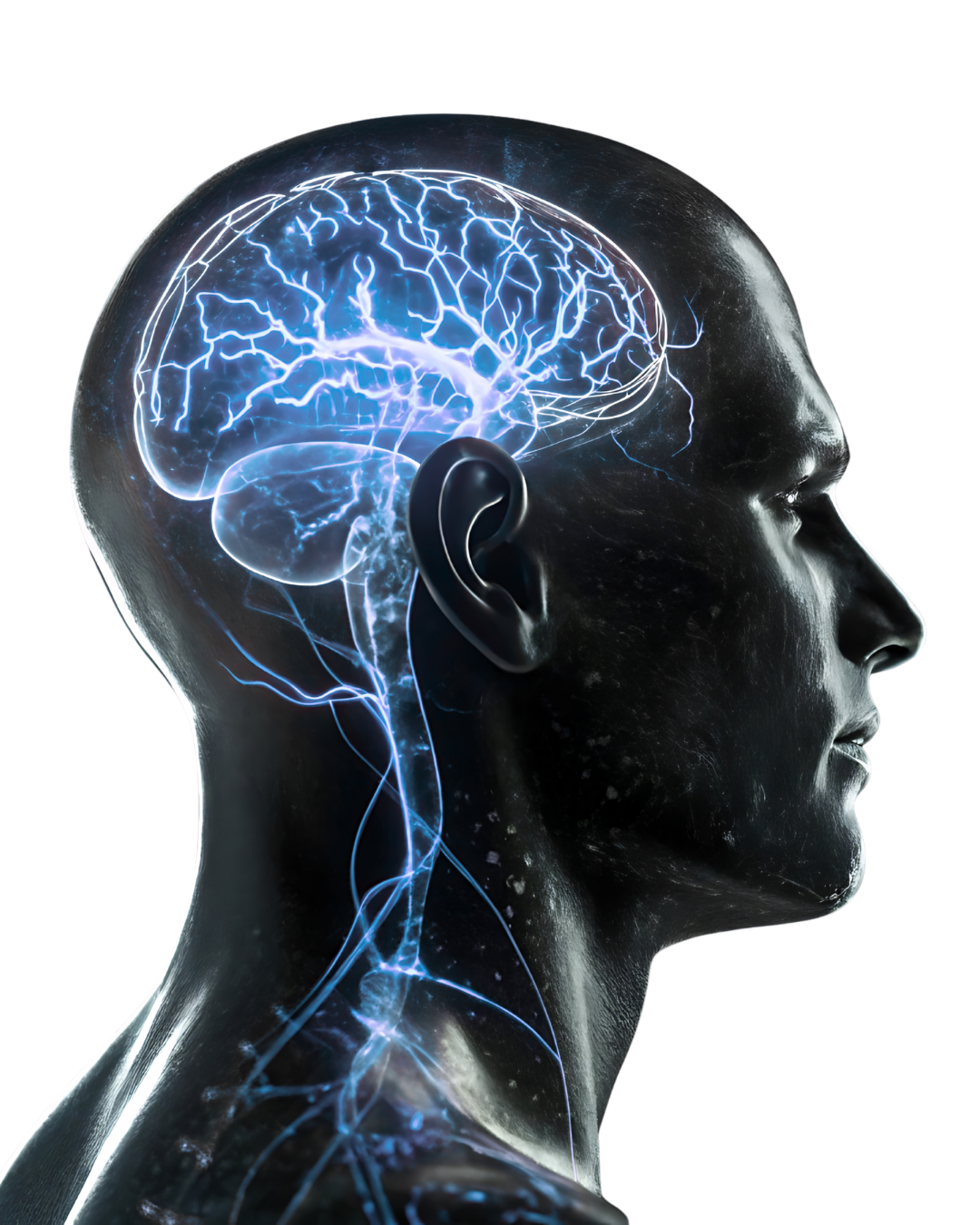
We’ve been conditioned to think of immunity as something external—something you pick up at the pharmacy, or add in once you’re already run down. But biology doesn’t work that way. Immune resilience is built daily.
Through sleep.
Through movement.
Through nutrition.
Through stress regulation.
Through nervous system support.
Why people rarely connect the dots between chiropractic and immune function, is because they view movement as purely mechanical instead of what it really is: neurological.
The joints of the spine are packed with sensory receptors. Every time they move, they send signals to the brain about position, tension, safety, and internal state. This information helps the brain regulate immune responses downstream: stress hormones, inflammation, and recovery processes.
Spinal movement improves sensory input → the brain regulates the nervous system more effectively → immune responses become better timed and better controlled→
Spinal movement improves sensory input → the brain regulates the nervous system more effectively → immune responses become better timed and better controlled→

The often-cited study showing a 200% immune boost following a chiropractic adjustment isn’t an outlier—it’s an example of what happens when neural input improves.
The study has its limitations, but the mechanism is already well supported: change the information going into the brain, and the systems it regulates respond, and immune function is no exception. That’s why what we do fits so naturally alongside other immune-supportive choices like sleep, movement, nutrition, and vitamin D.
All of them support the internal environment.
And when the internal environment is supported, illness has a harder time taking hold.
You don’t stay well by shrinking your life or living on edge, constantly scanning for threats. You stay well by strengthening the system that was designed to adapt to the world around you.
By restoring movement, improving neurological input, and helping the brain better regulate stress, inflammation, and immune signaling, chiropractic helps create an internal environment where resilience can thrive.
So instead of fearing this season, move through it with confidence. Support your body intentionally. Build immune resilience daily.
Your power isn’t in avoiding germs. It’s in supporting the environment they enter.
Citations:
Hempel RJ, Teodorczyk-Injeyan JA, Shaffer ML, Injeyan HS. The effects of spinal manipulation on immune mediators. Journal of Manipulative and Physiological Therapeutics. 1996;19(6):372–378.